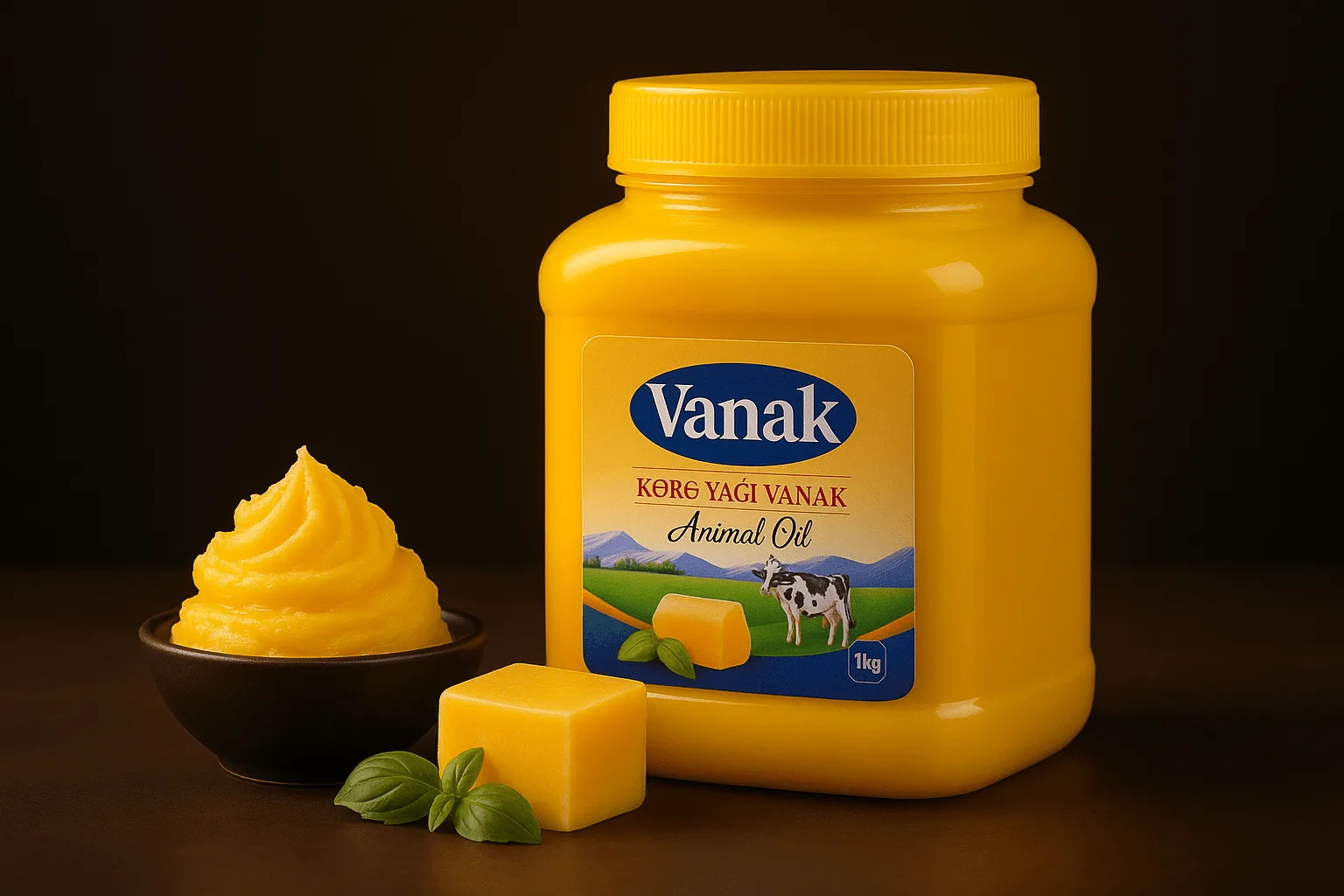
For many of us, butter is a fresh-use product, something to be used as soon as possible before it loses its aroma and flavor. But in some old and sophisticated food cultures, butter is not only considered non-perishable, it becomes more valuable, more complex, and deeper with time. Just like aged cheeses.
Background
🇫🇷 France: Where Butter Develops Character
In France’s famous dairy regions, such as Normandy and Brittany, butters are made that are designed from the start to age. These butters are usually made from cultured cream, cream that, before churning, has been acted on by lactic bacteria and has a living, aromatic base.
After production, these butters:
Are stored at a low, controlled temperature
Are sometimes placed in ceramic or wooden vessels
Develop their flavor over weeks or months
In this process, delicate, multilayered aromas form, with notes resembling hazelnut, sour cream, mild caramel, or fresh grass. The result is a butter with an independent character, usually used not for cooking but as a finishing touch, served on bread or in special dishes.
🇮🇳 India: Ghee That Outlasts Time
In India, the concept of aged butter takes a different form. What this culture is known for is ghee, or clarified butter, a product in which the water and milk proteins are completely removed and only pure fat remains.
This high purity means ghee:
Key details
In Ayurveda (traditional Indian medicine), aged ghee that is several years old is described as a substance with therapeutic value. Over time, the flavor of ghee:
Becomes milder but deeper
Loses its initial sharp smell
Develops notes of roasted nuts, warm earth, and aged wood
This kind of ghee is usually used in very small amounts and with special respect, in food or in medicinal preparations.
Why Does Time Change the Flavor of Butter?
During aging:
New aromatic compounds form
Short-chain fatty acids are released
A balance is established between fat, acidity, and aroma
For this reason, aged butter does not have a “simple” flavor. It unfolds in layers and lingers in the mouth.
Why Are These Butters Used Only in High-End Restaurants?
Because:
Their production is time-consuming and costly
Their flavor is strong and requires care in use
The slightest excess can upset the balance of a dish
In many luxury and Michelin-starred restaurants, aged butter is not a raw ingredient but a finishing touch and the chef’s signature.
Butter, if made with knowledge and patience, can follow the same path that the world’s great cheeses have followed, a path in which time is not the enemy but the maker of flavor.
Some flavors cannot be rushed; you have to let time do its work.
Quick buying checklist
Check the ingredients, storage instructions, pack integrity and stated fat content before choosing a butter or ghee product. For foodservice and manufacturing, trial the product in the actual recipe before placing a large order.
Frequently asked question
Can one dairy fat be substituted for another? Not always. Differences in water content, flavor and melting behavior can change the result, particularly in baking. Make a small test batch first.
Cultured butter and clarified butter are different
Cultured butter can develop a more pronounced aroma because cream is fermented before churning. Clarified butter or ghee is made by heating butter to remove much of its water and milk solids. These processes should not be confused with leaving ordinary butter unrefrigerated to become old. A stronger flavor is not proof that a product is safe. Unexpected odors, visible mold, damaged packaging or signs of improper storage are reasons not to use it.
How should these products be handled?
Follow the manufacturer’s shelf-life and storage instructions for the exact product. Use clean utensils, avoid introducing moisture and keep the container closed between uses.