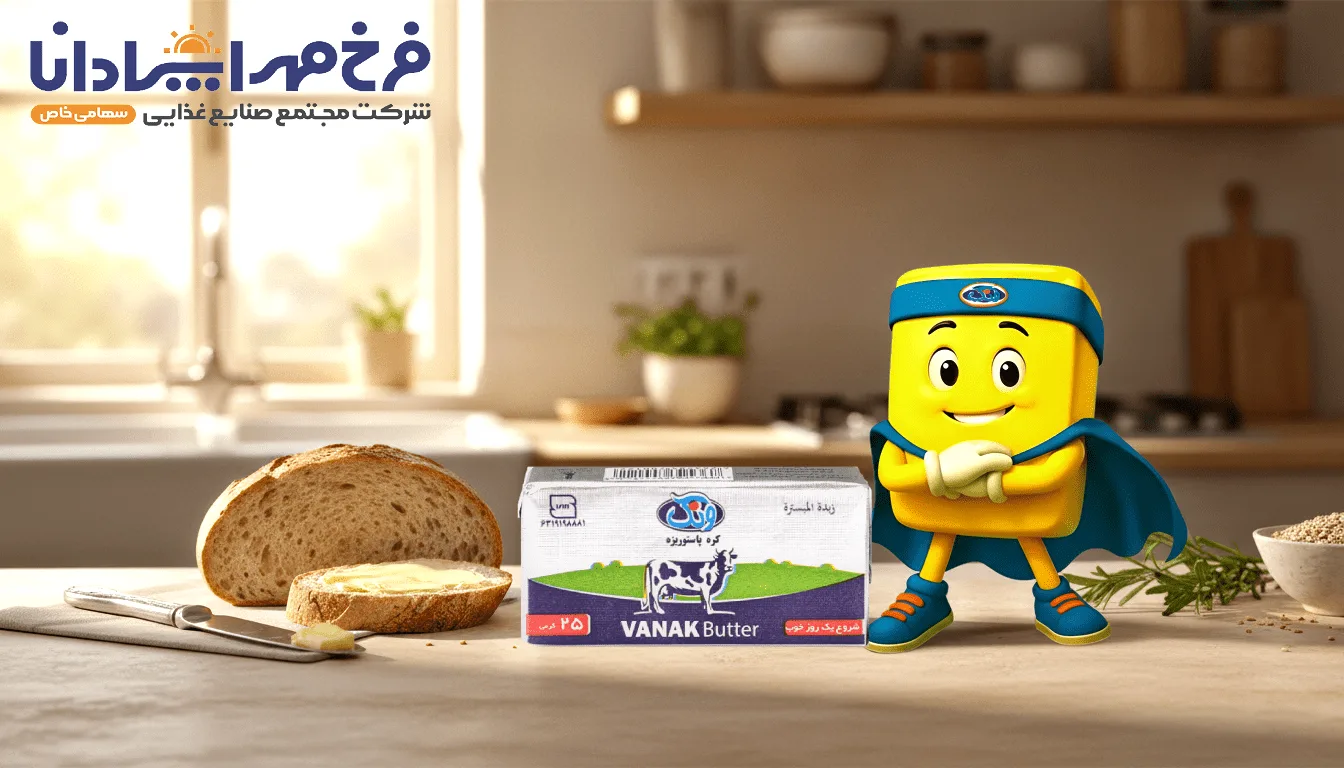
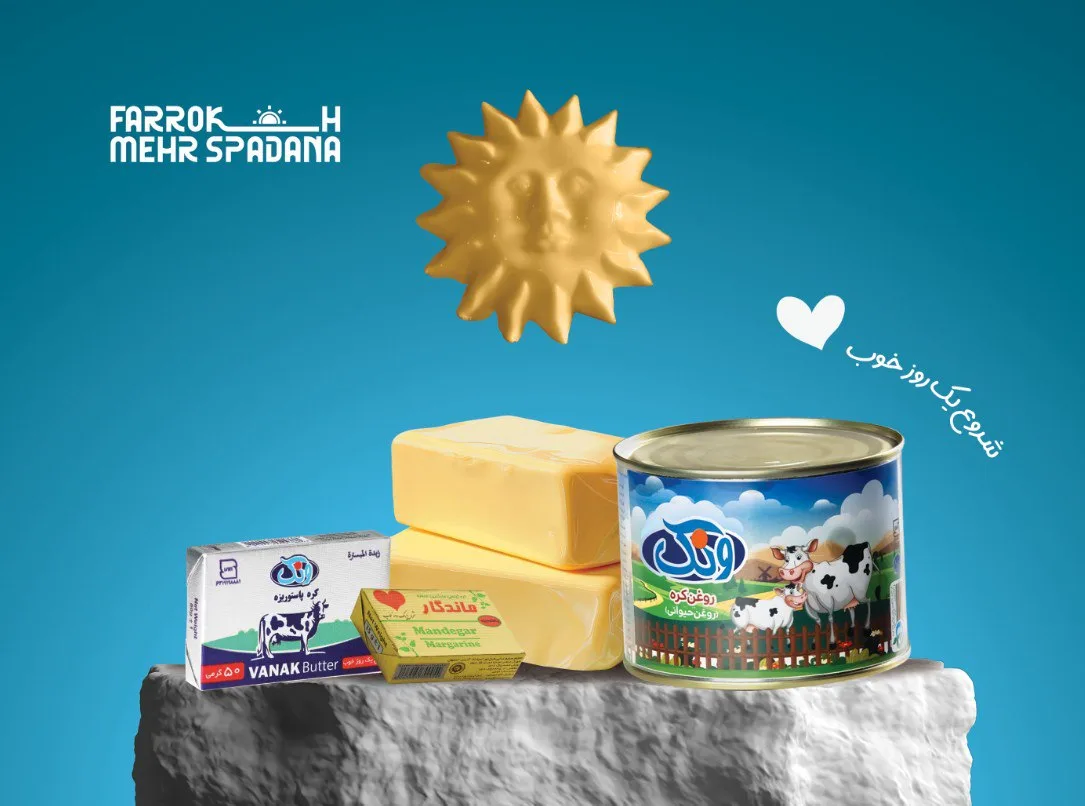
Recognizing the quality of butter or animal ghee is not very difficult, and by paying attention to a few key points you can choose the best. Here is a comprehensive guide to judging the quality of these products.
A Guide to Recognizing High-Quality Butter and Animal Ghee: Open Your Eyes!
Choosing high-quality butter and ghee makes a big difference to the flavor and healthfulness of your food. But how can we be sure of the quality of what we buy? Stay with us as we reveal the secrets of spotting top-quality products!
1. Appearance and Color: The First Signs!
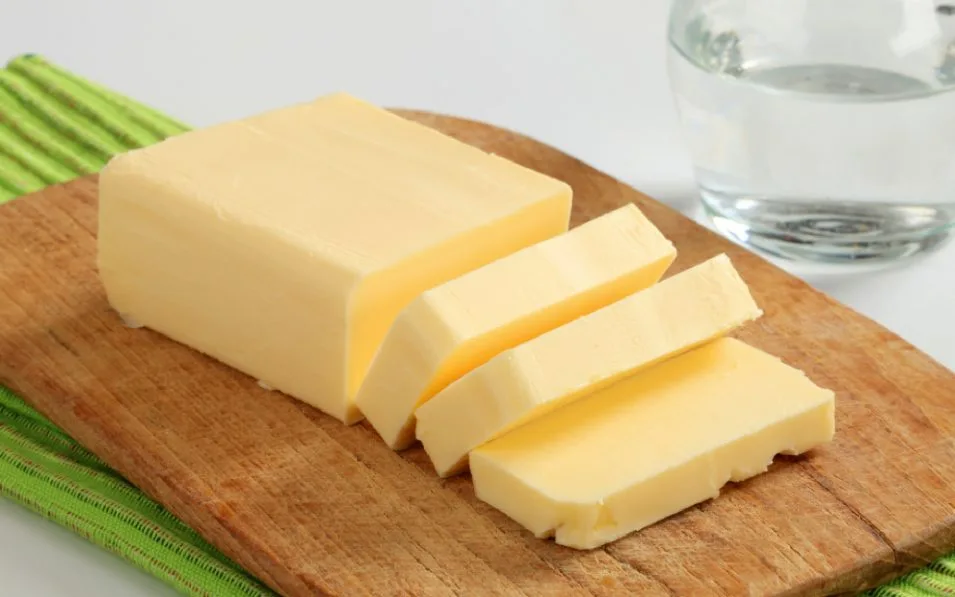
Butter: High-quality butter is usually light yellow to golden. A deeper yellow usually indicates milk from animals that ate fresh green forage. If the butter is white or milky in color, it may come from animals fed more on grain, or its production process may have been different. Color alone is not a definitive measure, but it can serve as a guide.
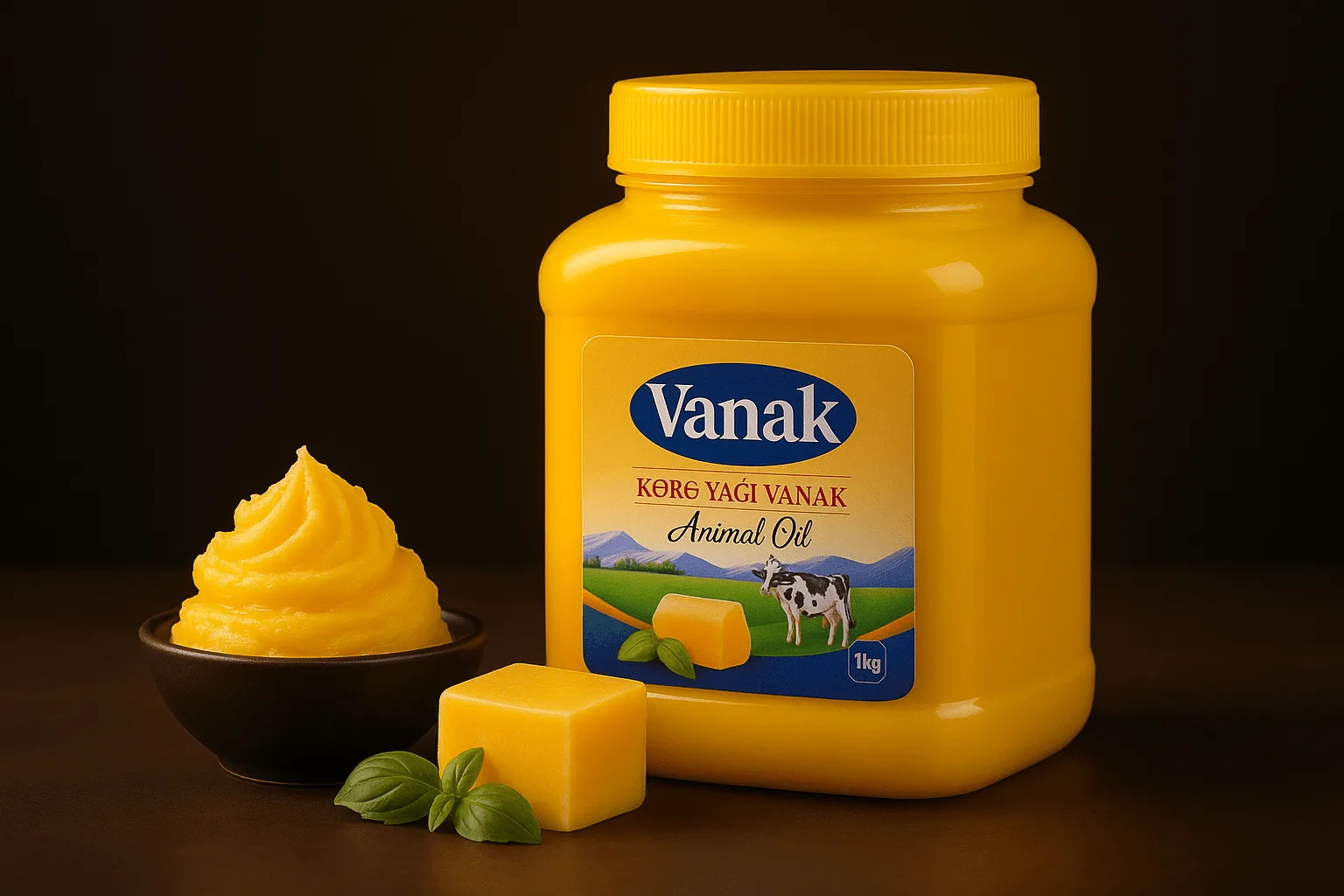
Animal ghee (clarified butter or yellow ghee): Pure, high-quality ghee is clear and golden. If it is cloudy or has suspended particles, there may be impurities or improper processing.
2. Aroma and Smell: A Fragrance of Authenticity!
Butter: Fresh, high-quality butter has a mild, pleasant smell, like fresh milk or slightly creamy. A sharp smell, sourness, or any other unpleasant odor is a sign of spoilage or improper storage.
Animal ghee: Authentic ghee has a pleasant, slightly sweet, nutty aroma. An unpleasant smell, like burnt rubber or sourness, indicates low quality or that the fat was burnt during production.
3. Texture and Consistency: The Touch of Quality!
Butter: High-quality butter has a soft, uniform texture and slices easily. If it is very hard, it may have been stored at a low temperature and its texture damaged. If it is very soft and oily, its water may not have been separated properly, or it may contain impurities.
Animal ghee: Pure ghee is liquid at room temperature and firms up a little once cooled (for example, in the refrigerator), but it does not become completely solid (except at very low temperatures). If the ghee becomes completely solid, solid vegetable fats (such as coconut or palm oil) may have been added.
4. Taste: The Final Masterpiece!
Butter: Good butter tastes creamy, slightly sweet, and pleasant. No sharp, sour, or artificial taste should be noticeable.
Animal ghee: High-quality ghee tastes rich, slightly sweet, and nutty, and leaves no feeling of heavy greasiness in the mouth. A metallic or bitter taste is a sign of low quality.
5. Packaging and Production/Expiry Dates: Key Information!
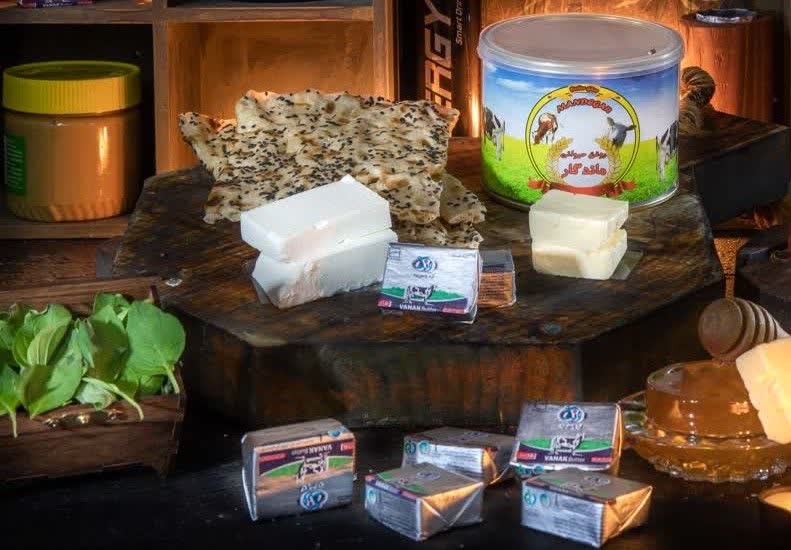
Always check the packaging. It should be intact, with no tears or leaks.
Check the production and expiry dates carefully. Products that are close to or past their date will not have the necessary quality and safety.
If possible, look at the ingredients. For butter, the only ingredient should be “cream” or “milk”. For ghee, the ingredients should read “milk fat” or “yellow ghee”. Avoid products with unnecessary additives.
Expert tip for animal ghee:
Pay attention to the smoke point. Pure ghee has a higher smoke point than butter and is better suited to high-heat cooking. If you see an oil that starts smoking early, it likely contains impurities or is of low quality.
By following these tips, you can confidently choose the best, highest-quality butters and animal ghees for cooking and for enjoying true flavor! Bon appétit!
Quick buying checklist
Check the ingredients, storage instructions, pack integrity and stated fat content before choosing a butter or ghee product. For foodservice and manufacturing, trial the product in the actual recipe before placing a large order.
Frequently asked question
Can one dairy fat be substituted for another? Not always. Differences in water content, flavor and melting behavior can change the result, particularly in baking. Make a small test batch first.
0 comments
No comments yet. Be the first to comment.