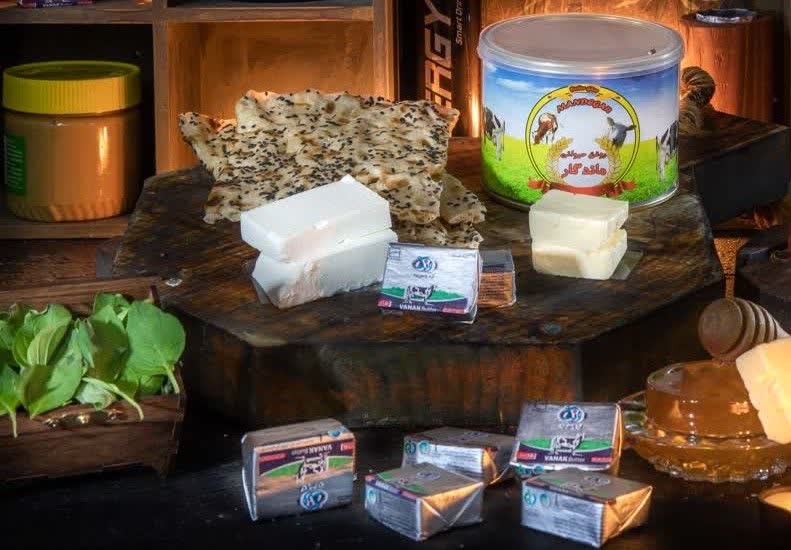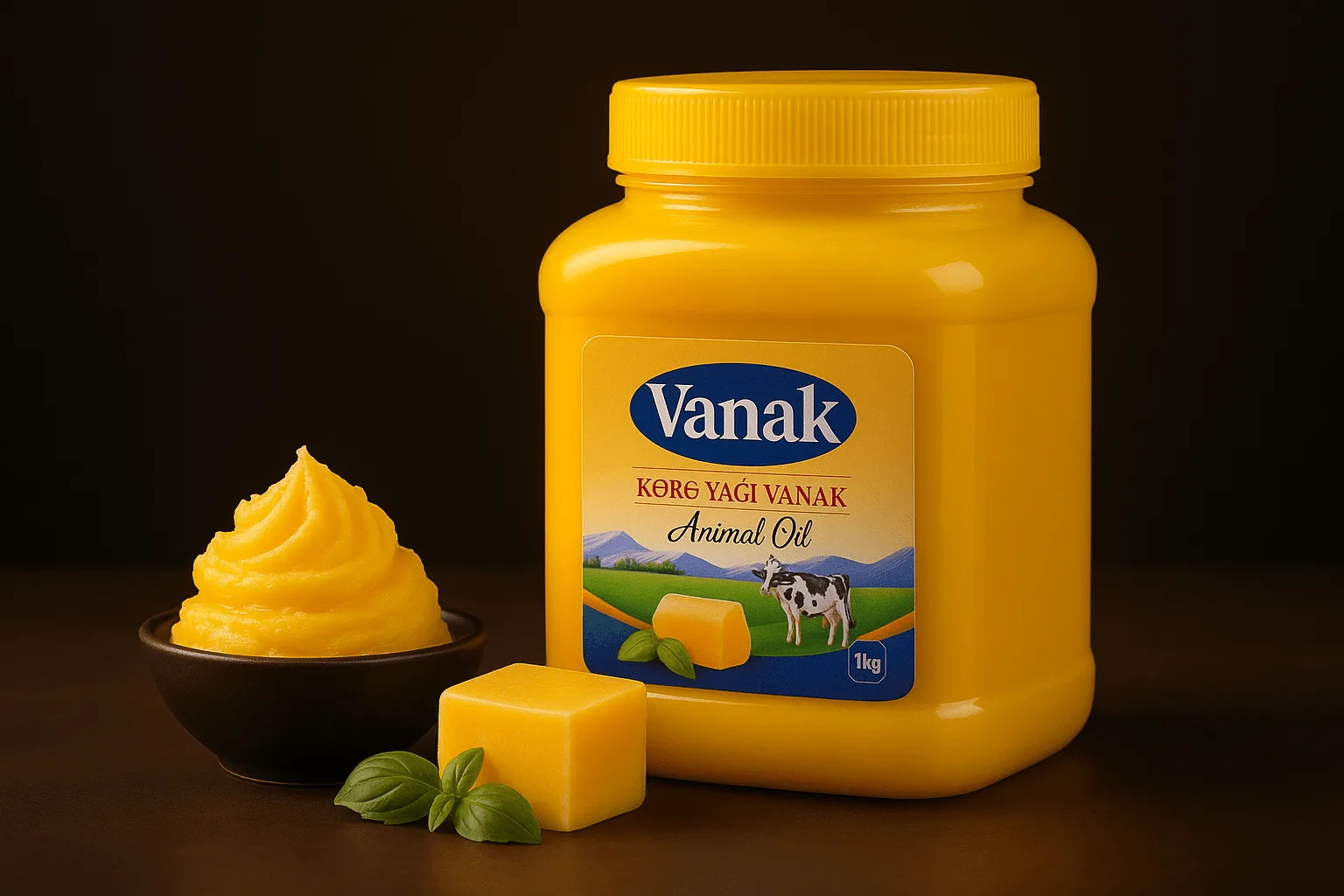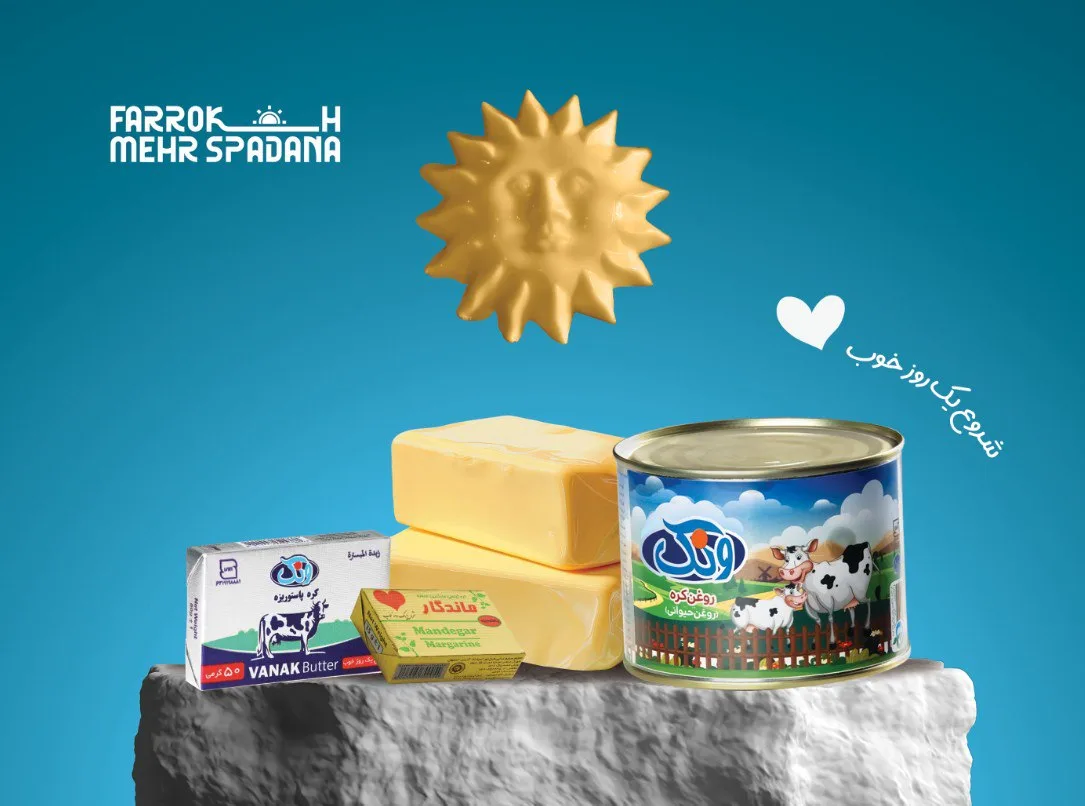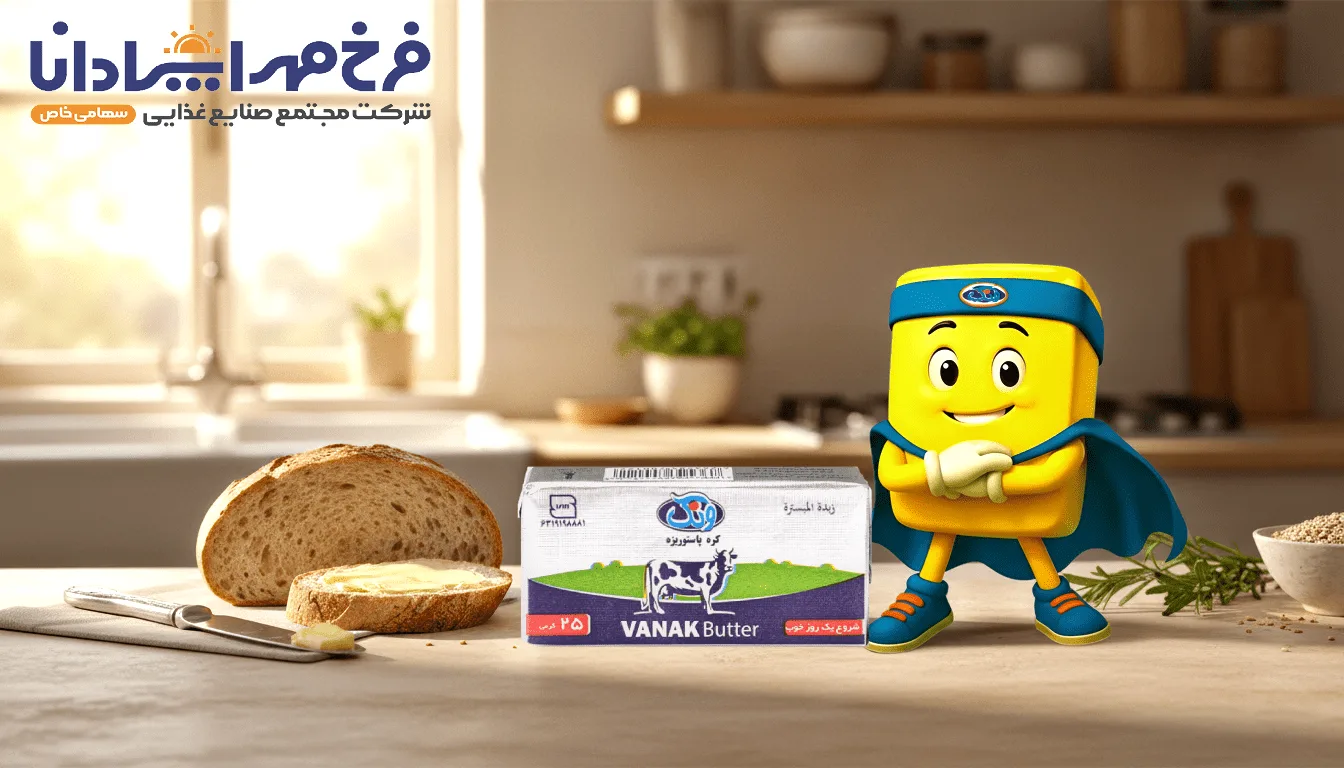
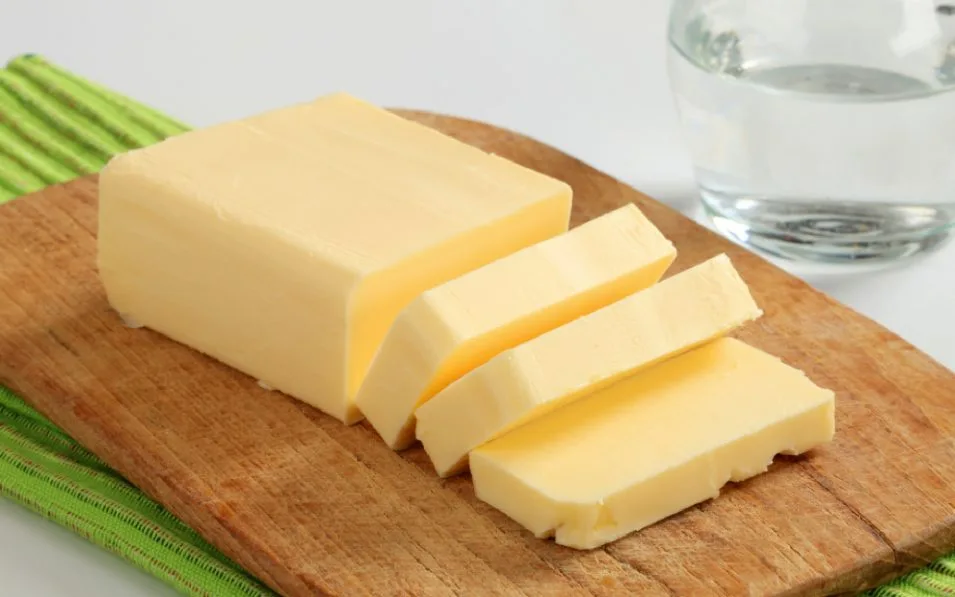
Butter is a dairy fat used for flavor and cooking. It should not be described as a food that prevents heart attacks. The effect of butter on cardiovascular health depends on the amount eaten, what it replaces in the diet and the overall dietary pattern.
Saturated fat and cardiovascular health
Butter is relatively high in saturated fat. Consuming too much saturated fat can increase LDL cholesterol, a risk factor for cardiovascular disease. Replacing some saturated fat with unsaturated fats from foods such as olive oil, nuts and seeds can support a heart-healthier diet.
What about vitamins and fatty acids?
Butter can contain fat-soluble vitamins and small amounts of naturally occurring fatty acids, but these nutrients are not evidence that butter prevents heart attacks or treats disease.
How to use butter in a balanced diet
Enjoy butter in modest quantities for flavor, and choose a varied diet rich in vegetables, fruit, whole grains, legumes and sources of unsaturated fats. People managing high LDL cholesterol or cardiovascular disease should follow individualized advice from a qualified health professional.
Sources and further reading
Butter is not a heart treatment
Butter supplies saturated fat and energy. There is no reliable basis for promising that it prevents a heart attack or treats high cholesterol. The effect of food choices depends on an overall dietary pattern and an individual’s circumstances. Many public-health recommendations encourage limiting excessive saturated-fat intake and choosing more unsaturated fat sources as part of a varied diet. This is not the same as saying one food alone determines cardiovascular health.
How can butter fit into everyday meals?
Use moderate portions when its taste is important, and balance the rest of the meal with vegetables, whole grains and other appropriate foods. People managing heart disease or elevated cholesterol should seek individualized guidance.
Before you decide
Think about the purpose of the product, the number of people being served and the preparation method. A choice that works well in a professional bakery may not be the most convenient for breakfast at home. The useful comparison is between actual ingredients, pack sizes, handling instructions and results in your own kitchen.
Common buying mistakes
Avoid judging solely by the color or an unusually strong aroma. Neither proves freshness or purity. Check the expiry date, storage directions and intact packaging. Price can be one factor, but it should be assessed alongside the stated specifications and the amount that will actually be used.
Practical storage guidance
Use clean utensils, cover opened containers and avoid repeated long exposure to warmth. Protect dairy fats from foreign odors and follow the manufacturer’s instructions for the exact product. If an item shows signs of spoilage or uncertain storage history, do not use it.
Questions worth asking
What type of recipe is this for? Is a pronounced dairy flavor important, or is texture the main concern? Will the product be used quickly or stored for a longer time? These questions help narrow the choice without relying on broad promises.
Making a useful comparison
Compare equivalent quantities and the same conditions of use. For bakery or foodservice orders, keep brief notes on texture, flavor and ease of portioning after a trial batch. Reliable decisions are made from repeated practical results rather than a single visual impression.
0 comments
No comments yet. Be the first to comment.