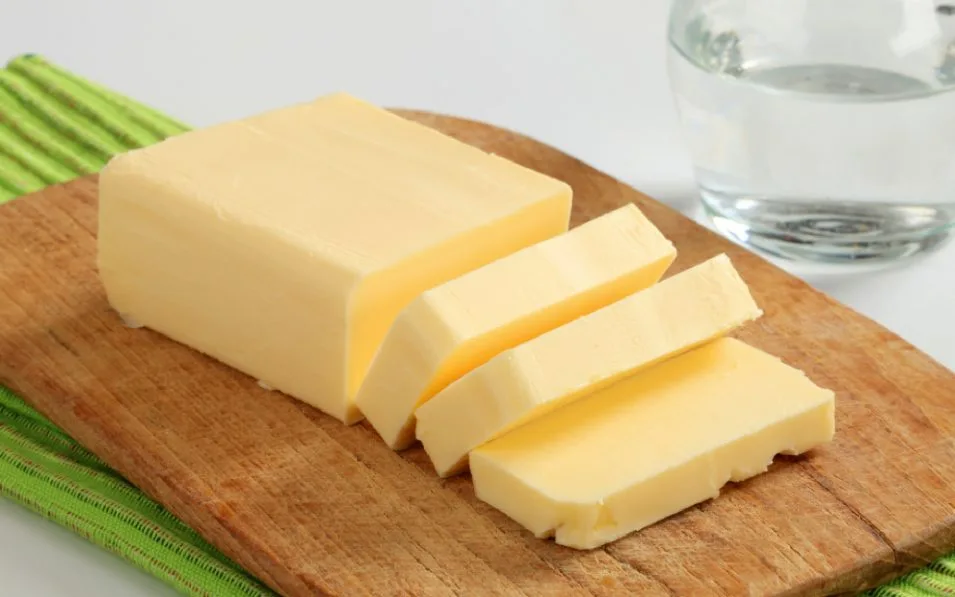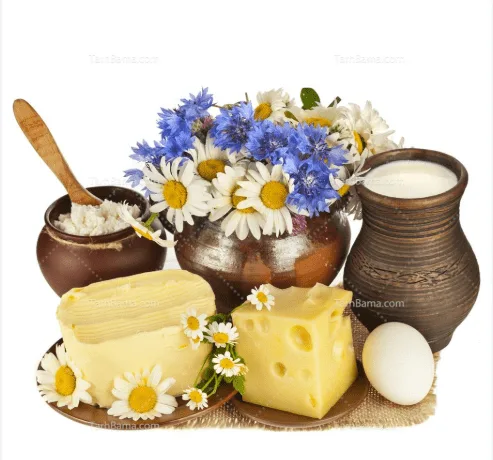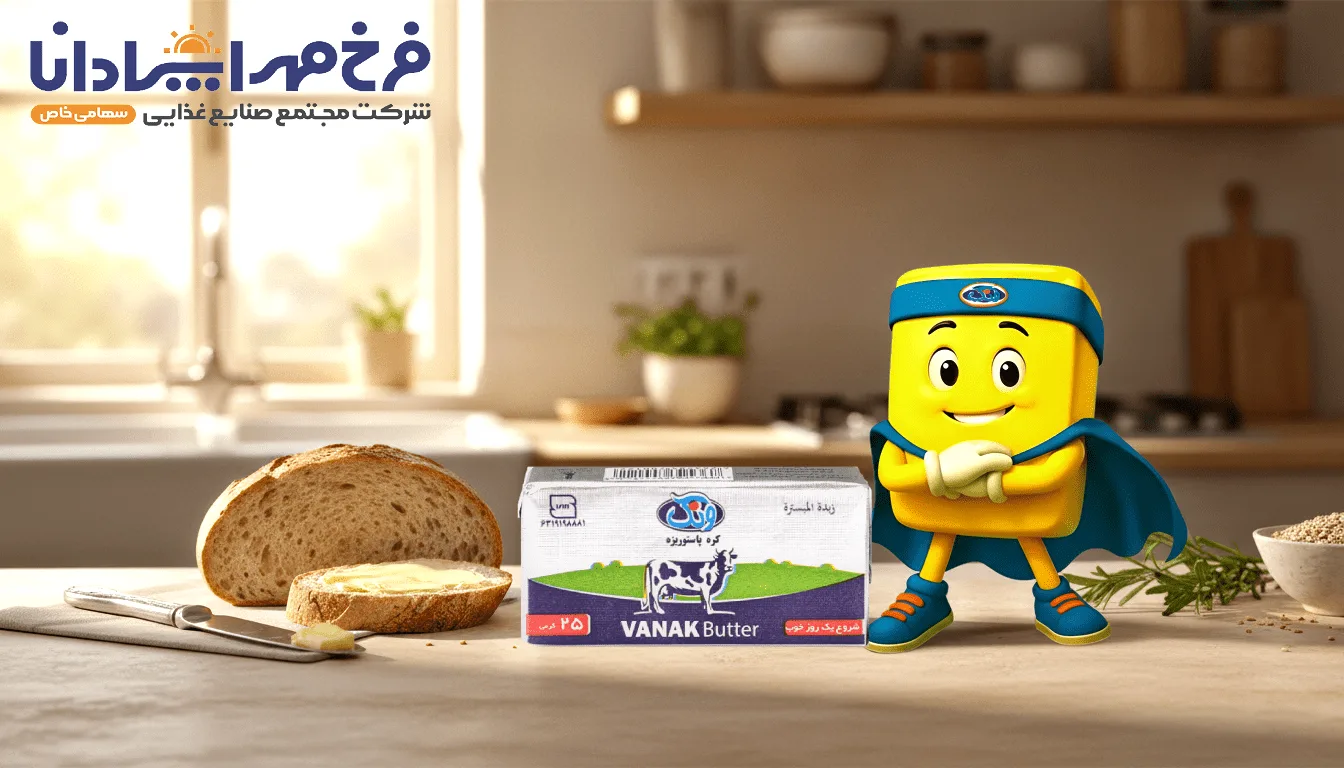
Butter, this fragrant, flavorful yellow gold, has an ancient and eventful story rooted deep in history. For many of us, a world without butter is hard to imagine, but this beloved food has come a long way to reach its place today.
First Traces: A Journey Back Thousands of Years
The traces of butter go back thousands of years before the common era. Archaeologists believe humans first came across butter-making by accident. Probably in the nomadic era, when milk was carried in leather skins, the constant motion and the jolting of the walking animals separated the milk fat from the liquid and eventually turned it into a substance resembling butter. This accidental discovery began a long road of butter production and consumption in ancient civilizations.
Spread Through Ancient Civilizations
Historical evidence shows that butter has long been known and used in different parts of the world.
Mesopotamia: Archaeological finds in this region show images of the butter-making process on clay tablets dating back to around 3000 BCE.
Ancient Egypt: The Egyptians were also familiar with butter and used it in religious ceremonies as well as a food.
Ancient Greece and Rome: The Greeks and Romans also knew butter, but mostly regarded it as a luxury food for the well-off classes. They used butter more for medicinal purposes and for rubbing on the body than as an everyday food.
In the Middle Ages, butter production became more widespread in Europe and gradually became one of the main agricultural products in many regions. In Iran, too, the use of butter and animal ghee (part of which is obtained from butter) has a long history and holds a special place in Iranian food culture.
Changes and Transformations Through History
As noted in the history section, butter went from an accidental discovery to an important food product, but its production methods have also undergone remarkable changes over the centuries:
From Leather Skins to Electric Churns
Traditional, manual methods: In the distant past, butter was made mostly by hand, using leather skins or clay jars. Milk was poured into these vessels and shaken vigorously so the milk fat separated and formed butter. Besides being time-consuming, this process required a great deal of physical effort. In some regions, simple wooden devices called “churns” were also used, speeding up the churning process with the turn of a lever.
The arrival of machinery: With the Industrial Revolution, major changes occurred in food production, including butter. The first mechanical churns were invented in the 19th century. Powered by steam or water, they made it possible to produce butter in much larger volumes and made production more efficient.
Mechanization and industrialization: In the 20th century, as technology advanced, butter production moved toward full mechanization. Modern factories use powerful centrifuges to separate cream from milk, then industrial churns to produce butter with high speed and quality. These processes not only greatly increased efficiency but also allowed precise control over the quality of the final product.
Modern, hygienic methods: Today, butter production in advanced countries is fully industrial and hygienic. Pasteurization of milk and cream, the use of cultured starters to improve butter’s flavor and aroma, and standardized packaging processes all help ensure product quality and safety.
Nutritional Aspects of Butter: Focus on Its Nutritional Value, Key Components (Such as Vitamins and Fats), and Its Place in a Balanced Diet
Butter, this delicious and popular food, has long been a staple of the diet in many cultures. But did you know that besides its pleasant taste, butter also has notable nutritional value? Butter is a rich source of vitamins A, D, E, and K, which are essential for maintaining healthy skin, bones, and the immune system. Butter also contains healthy fats that help absorb fat-soluble vitamins and supply the body’s energy needs.
Key details
Of course, butter should be consumed in moderation, but if you eat it as part of a balanced diet, you can enjoy its many benefits.
Uses and Medicinal/Therapeutic Properties of Butter: Skin Health, Immune Support, and Positive Effects on the Body
Besides its nutritional value, butter has several medicinal and therapeutic properties. In traditional medicine, butter was used to treat various conditions such as dry skin, inflammation, and digestive problems.
New scientific research has also shown that butter can help strengthen the immune system, reduce inflammation, and improve cardiovascular health. Butter also contains compounds that can protect the skin from sun damage and help retain its moisture.
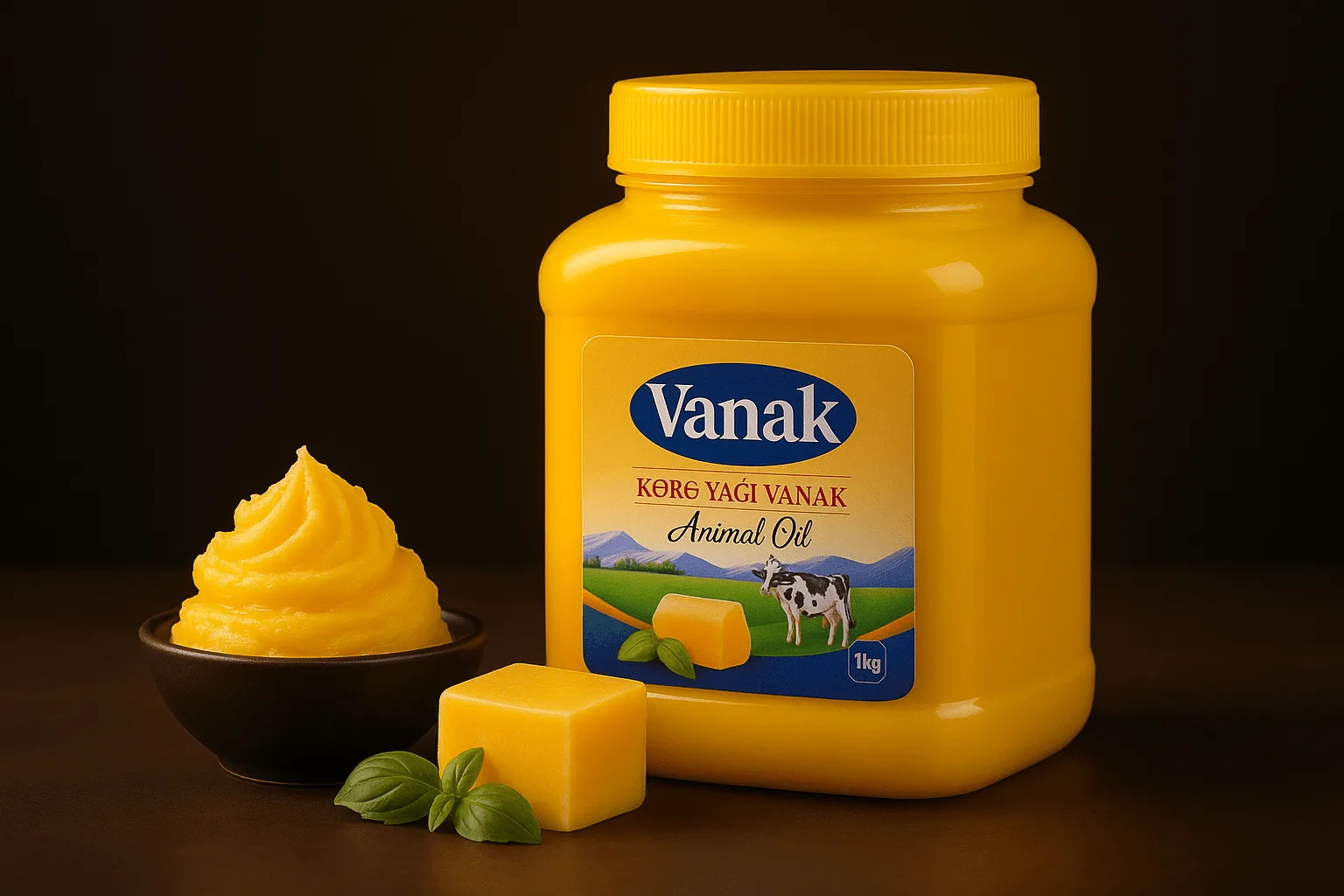
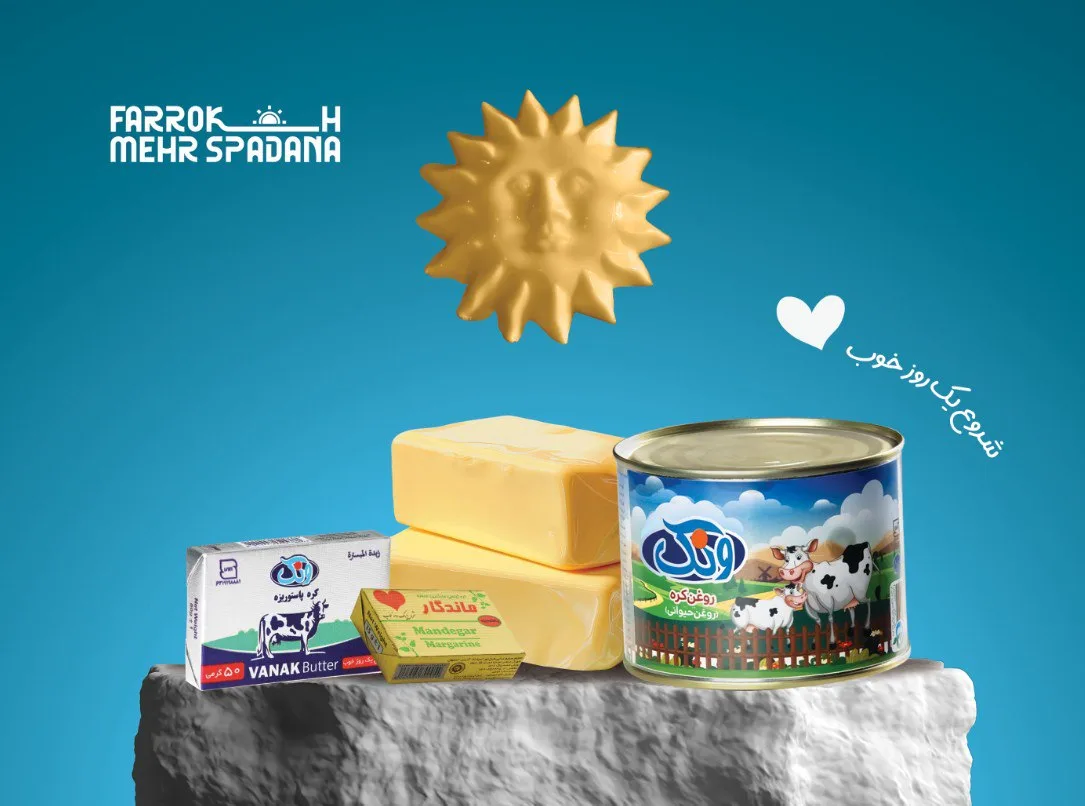
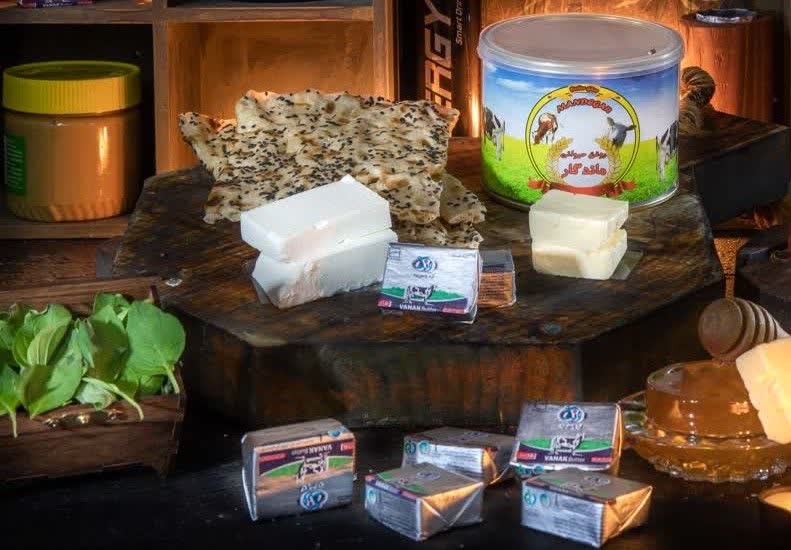
Given butter’s many health benefits, choosing a high-quality, authentic butter is very important. Vanak animal butter, made from fresh cow cream with no additives of any kind, is an excellent choice for those looking for a healthy, delicious, high-quality butter.
Vanak animal butter, with its unmatched flavor and many properties, can help maintain your health and vitality as part of a healthy, balanced diet. This product is a symbol of quality and authenticity and brings you a delightful experience of the true taste of butter.
0 comments
No comments yet. Be the first to comment.