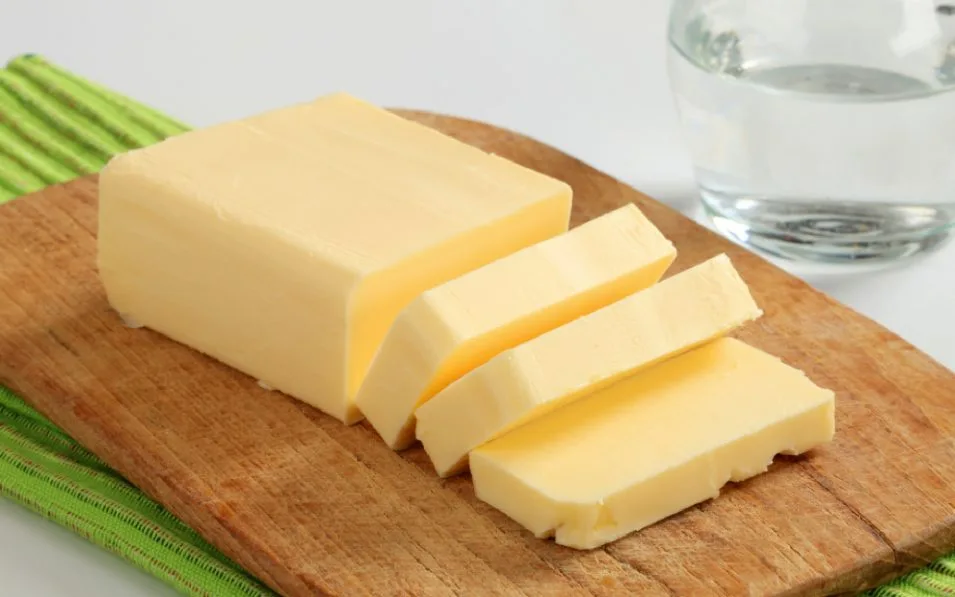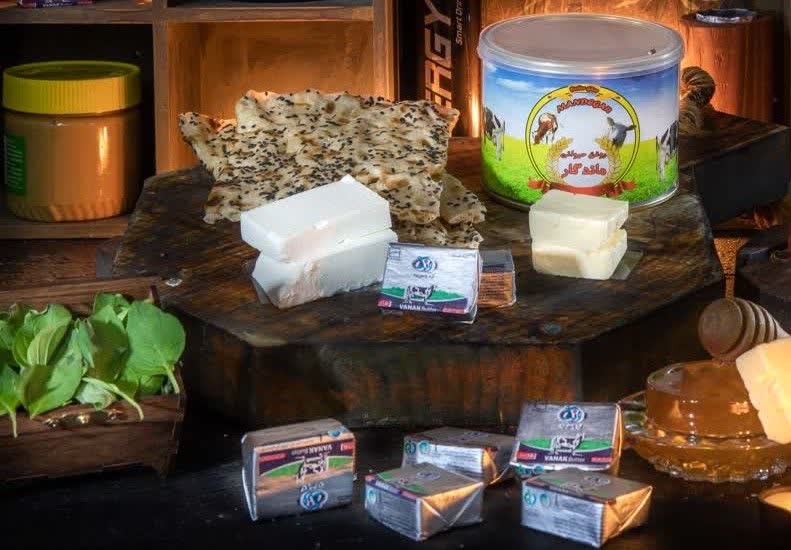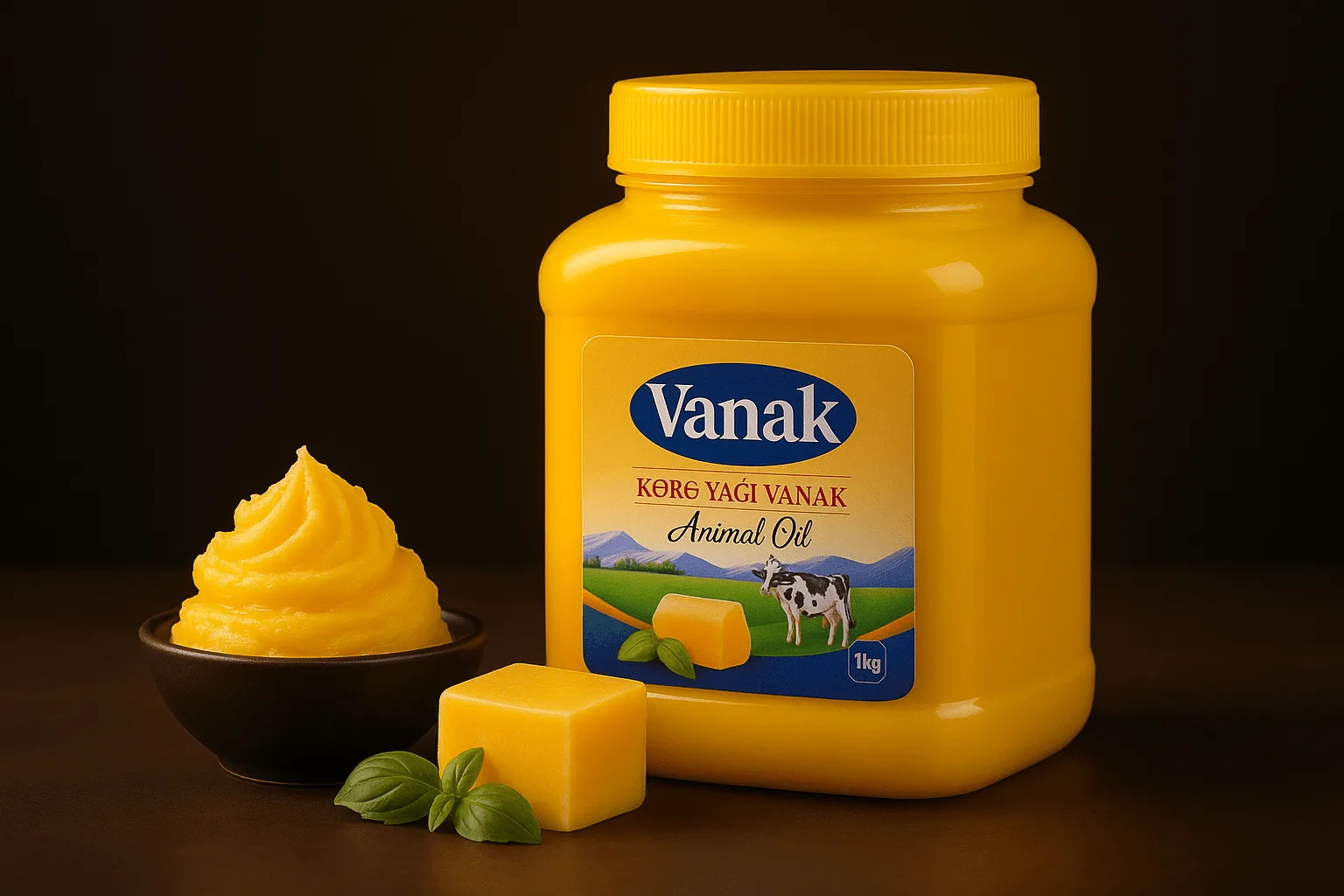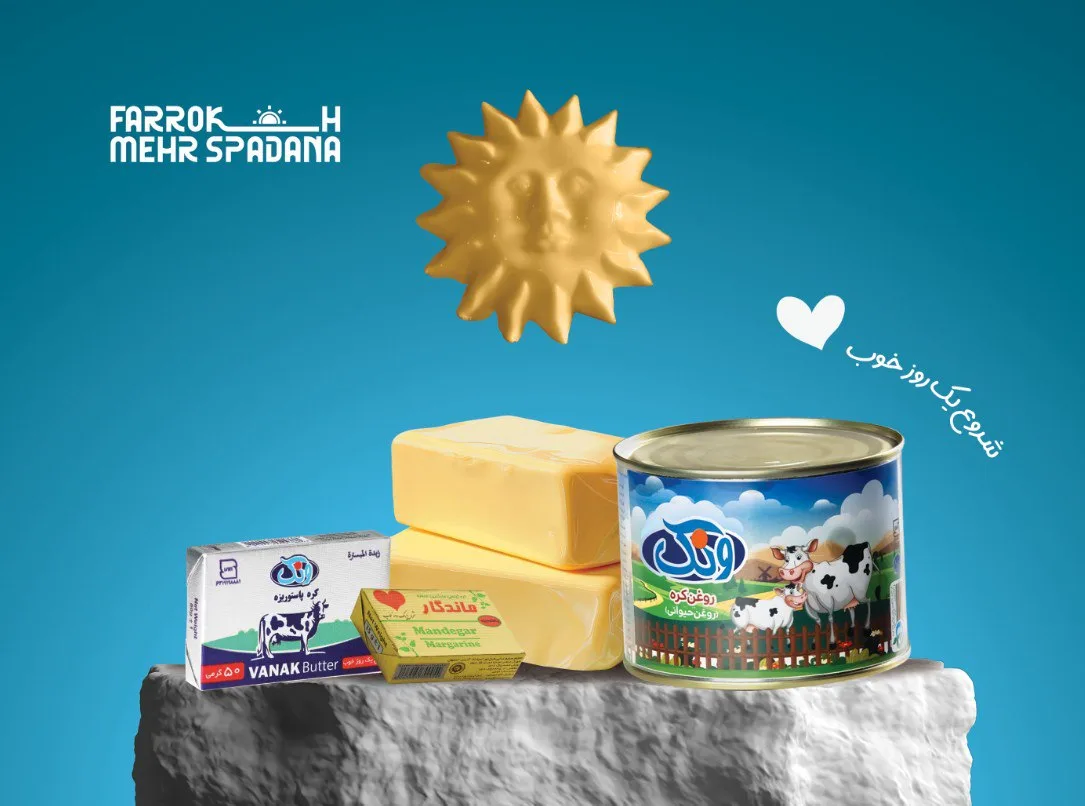
Butter and animal ghee are treasures of the Iranian kitchen, giving our dishes an unmatched aroma and flavor. But to enjoy the quality and freshness of these products for a long time, following basic storage rules is especially important. Let’s take a look at these golden tips together:
1. Choose the Right Packaging: The First Step to Preserving Quality
Animal ghee: The best way to store ghee is in dark glass or opaque metal containers. These keep out light and air, the main causes of oxidation and spoilage. If you store ghee in plastic containers, make sure the plastic is food grade and the lid closes tightly.
Butter: Because of its fat structure, butter is more sensitive than ghee. It is best to wrap butter in parchment paper or aluminum foil made for butter, then keep it in a sealed container. This prevents it from absorbing unpleasant odors from its surroundings and from oxidizing.
2. Storage Temperature: The Key to Freshness
In the refrigerator: For long-term storage (more than a few weeks), the refrigerator is the best place. The low temperature slows the oxidation of fats and prevents microorganisms from growing.
In the freezer: If you want to store butter or ghee for a longer period (several months), the freezer is the best option. Keep the product in its original packaging or in suitable freezer packaging (such as thick zip-lock bags) to prevent freezer burn.
Outside the refrigerator (important note): If you use ghee (especially yellow ghee) daily and plan to finish it in a short time (a week or two), you can keep it in a cool, dark place away from heat sources such as the stove. Note that this method is not recommended for very hot regions or during summer.
3. Protection from Light and Air: The Main Enemies of Quality
Keep away from direct light: Sunlight, or even strong kitchen light, breaks down fat molecules and creates unpleasant odors in ghee and butter. Always store your products in dark cabinets or away from windows.
Close containers tightly: After each use, close the lids of butter and ghee containers firmly. This keeps out air, moisture, and dust and greatly helps preserve the product’s quality.
4. Prevent Odor Absorption: A Clean Kitchen, a Pure Taste
Keep away from strongly scented foods: Ghee and butter easily absorb surrounding odors. So do not store them next to strong spices, onions, garlic, or other strong-smelling foods.
Use dedicated containers: If you use sealed containers made for storing butter and ghee, this problem is minimized.
5. Signs of Spoilage: Stay Alert!
How can we tell that our butter or ghee is no longer fresh?
Color change: If ghee turns darker or an unusual color, or butter becomes more yellow than usual.
Unpleasant smell: The most important sign of spoilage is a sour, sharp, or old-rubber smell.
Change in taste: A sharp, bitter, or sour taste indicates oxidized fats.
Appearance: If you see a layer of mold on butter, do not use it under any circumstances.
Final tip
Always check the expiry date of your products, but more importantly, trust your senses (smell and taste). By following these simple tips, you can preserve the aroma, flavor, and quality of butter and ghee in your kitchen for longer and enjoy their delicious taste in all your dishes.
Quick buying checklist
Check the ingredients, storage instructions, pack integrity and stated fat content before choosing a butter or ghee product. For foodservice and manufacturing, trial the product in the actual recipe before placing a large order.
Frequently asked question
Can one dairy fat be substituted for another? Not always. Differences in water content, flavor and melting behavior can change the result, particularly in baking. Make a small test batch first.
0 comments
No comments yet. Be the first to comment.