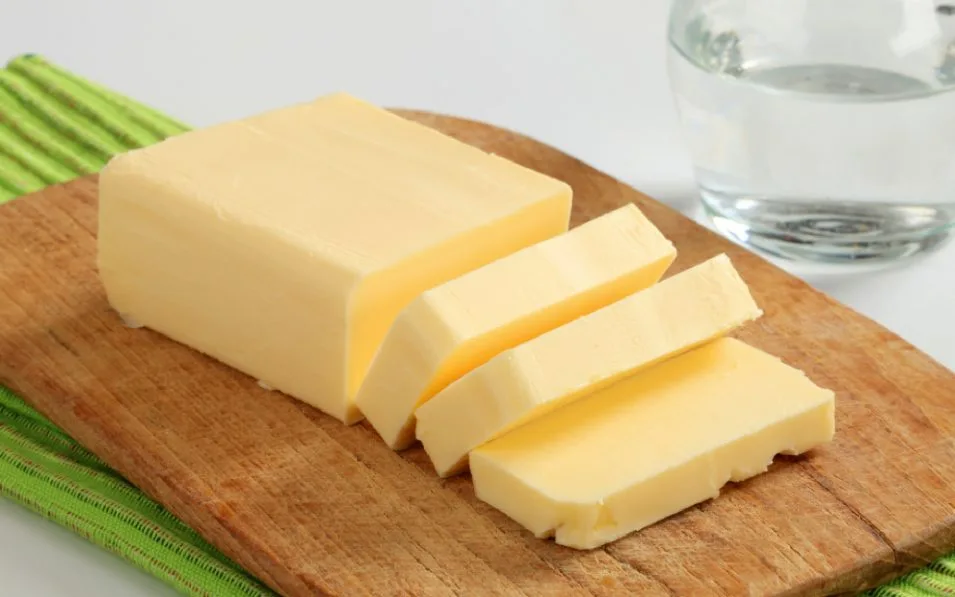
The difference between butter and margarine may be greater than you think. Although the two taste fairly similar, they are made in completely different ways and from different ingredients. Let’s go through the main differences in list form:
Dairy content: Butter is made from cream taken from milk, so it is a dairy product. Margarine, on the other hand, is almost always made from vegetable oils.
Flavor: Butter has a richer, creamier flavor than margarine. Freshly churned butter can even taste a little like milk. Margarine has a more neutral flavor or may rely on artificial flavorings.
Fat content: Both contain a relatively large amount of fat, but with different fatty acids. The fat in butter is 62% saturated, 29% monounsaturated, and 4% polyunsaturated. Tub margarine, by contrast, contains 19% saturated, 59% monounsaturated, and 18% polyunsaturated fat. Some margarines also contain omega-3 fatty acids.
Cholesterol: For many years, margarine was sold as a healthy alternative to butter because of its lower saturated fat. However, recent research shows that the trans fat in margarine can raise LDL (“bad”) cholesterol and lower HDL (“good”) cholesterol. So if you are worried about your blood cholesterol or heart disease, consult a doctor before using margarine.
Vitamins and minerals: Like any dairy product, butter provides a notable amount of calcium and a small amount of vitamins A, E, and K. Margarine, as a processed food, can contain varying levels of vitamins and minerals depending on the manufacturer. Manufacturers usually add vitamins E, A, and K to their margarines in greater amounts than butter contains.
Based on what we have covered, the main difference is that butter comes from dairy and is high in saturated fat, while margarine is made from vegetable oils.
When choosing between margarine and butter, you will not find an option that is 100% healthy. You can pick whichever suits your diet and needs.
To choose the best margarine, keep an eye on trans fat and, ideally, pick one with none.
Adding butter or margarine to any food can raise its calorie level, and many people overlook this. At the same time, both play an important role as a source of fat. The human body needs fat to function and to absorb minerals. Fat also creates a feeling of fullness. If you eat a completely fat-free meal, you are more likely to feel hungry again soon after.
Another concern is the cholesterol in butter. Only animal products contain cholesterol. Most margarines contain none or very little, but all butter contains a significant amount.
What Do Researchers Say About the Difference Between Butter and Margarine?
Although almost a century and a half has passed since margarine was invented, there is still plenty of debate over whether it can be considered a healthier alternative to butter. A 2017 study examined the effects of saturated fat from butter and cheese on the LDL cholesterol of 92 people with abdominal overweight. It found that diets containing cheese and butter raised blood LDL cholesterol more than diets higher in carbohydrates, polyunsaturated fat, or monounsaturated fat.
However, none of the diets tested affected inflammation, blood pressure, insulin, or blood glucose. People at risk of cardiovascular disease usually show higher levels of all of these.
Key details
In another study, conducted in 2019, researchers from an American nutrition journal compared the effects of vegetable margarines and butter on blood lipid levels in people who were not overweight. The results showed that everyone who used vegetable margarine instead of butter had lower LDL levels. Those who were overweight also showed less improvement in LDL than those at an ideal weight.
Can Margarine Completely Replace Butter?
Margarine and butter are different products and react differently to heat. Now that we know the differences, let’s see when margarine can replace butter and when it should not.
Uses of Vegetable and Animal Butter
Spreading on bread and other foods: The good news is that both butter and margarine can be used as a spread on toast, muffins, or pancakes. They taste the same and behave similarly at room temperature or when chilled.
Baking and pastry-making: Replacing butter with margarine in some recipes is not so easy. Low-fat margarines usually contain more water than butter, which can upset the moisture balance of bread or pastries. For butter-free baking, look for high-fat margarine blocks made specifically for baking.
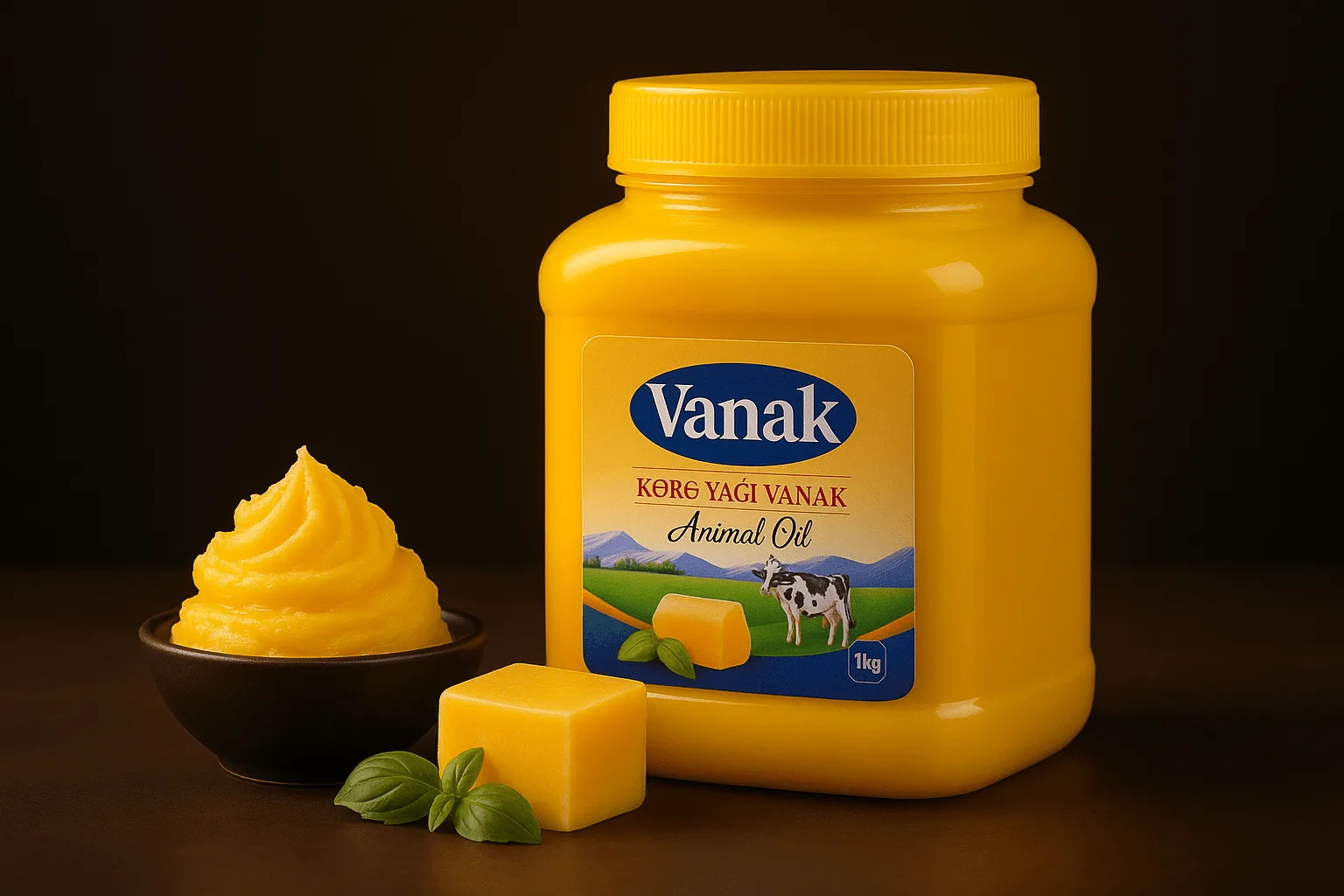
Frying: For frying and sautéing, both butter and margarine bring their own problems. The milk proteins in butter can burn at higher heat, so clarified butter, also known as Kermanshahi ghee, is a better choice for high-heat sautéing. Similarly, the stabilizers in margarine burn easily, and some low-fat margarines may not melt at all. So if you want to fry with non-dairy fat, use cooking spray or a suitable cooking oil.
Why Is Margarine Known as a Healthy Alternative to Butter?
Most margarines on the market have less saturated fat than butter and are made from vegetable oils. As a result, margarine contains no cholesterol. Note, however, that margarine still contains a similar amount of fat and calories.
What Is the Difference in Water Content Between Butter and Margarine?
Both butter and margarine are water-in-oil emulsions containing about 80% fat and about 16% water. Their calorie content is also the same.
Is Margarine Suitable for a Vegan Diet?
Yes, many margarine manufacturers offer products compatible with vegan and vegetarian diets. However, some use animal-derived ingredients such as milk or whey in their margarine. So check the packaging to be sure the margarine is fully plant-based.
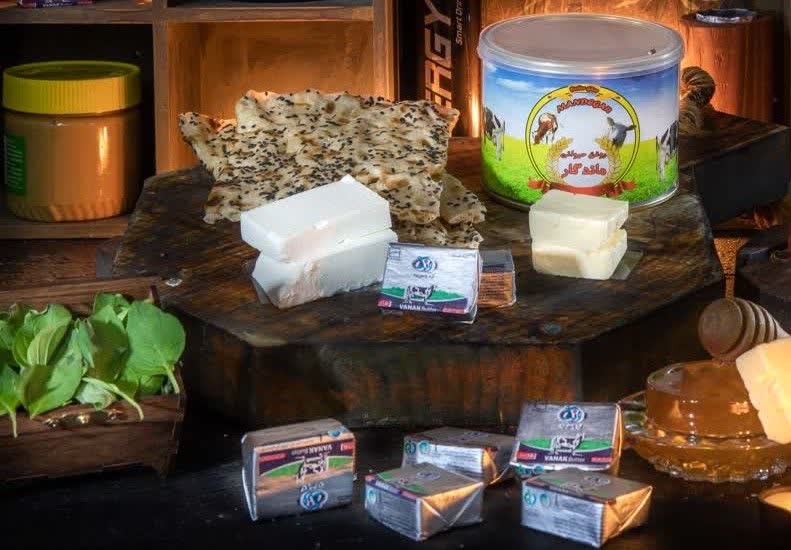
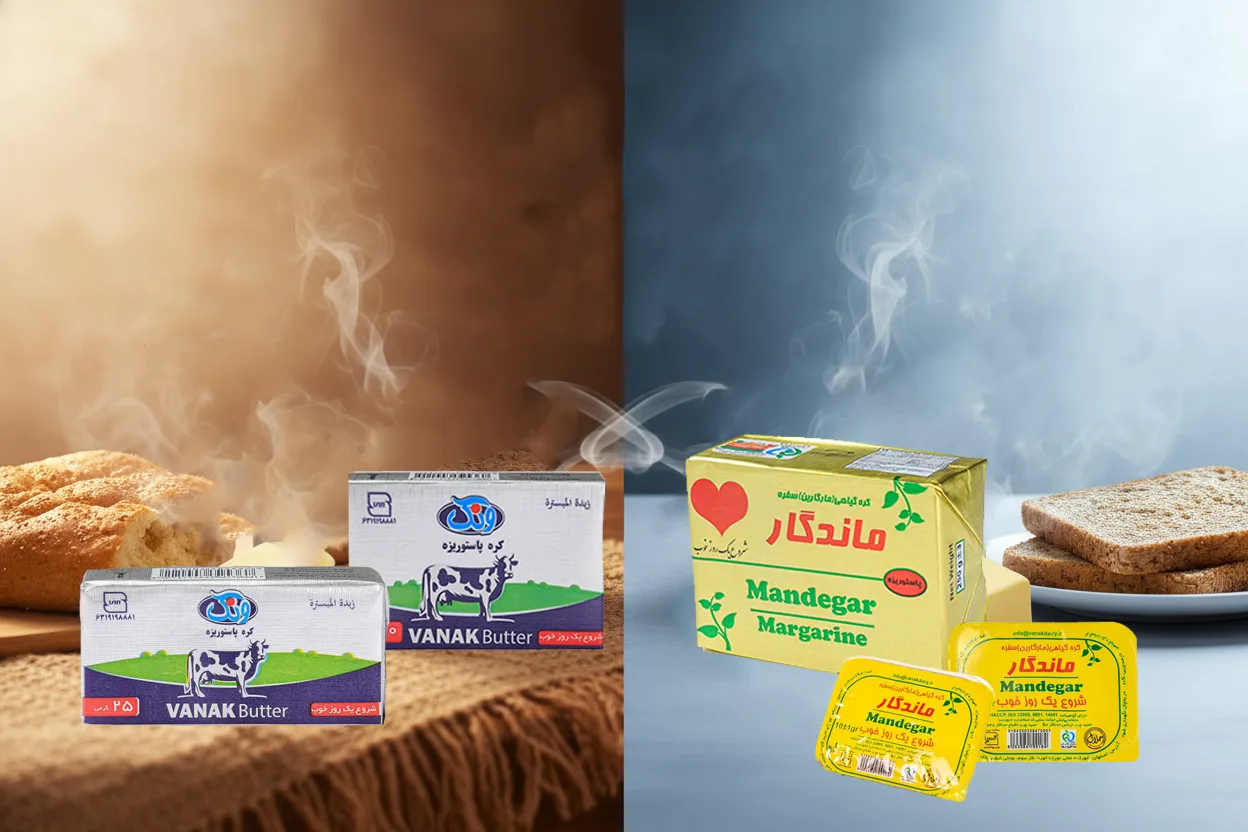
For those looking for a healthy, plant-based, and tasty option, we recommend Sofreh vegetable butter from the Mandegar brand:
A blend of sunflower and canola oils, lactose-free and cholesterol-free.
Available in a variety of sizes (10 to 250 g), suitable for breakfast or everyday cooking.
An ideal choice for people on a low-fat or vegetarian diet, or with lactose sensitivity.
Conclusion
The difference between butter and margarine is not just about taste. It comes down to source, fat composition, cholesterol content, and how each is used in cooking. In general:
Butter is creamier and richer.
Margarine is more plant-based and lighter, and in trans-fat-free versions it is a healthier choice.
In the end, the choice depends on your dietary needs, taste preferences, and the kind of cooking you do.
And if you are looking for an option with a healthy, practical composition that suits everyday lifestyles, Sofreh vegetable butter from Mandegar is an excellent alternative.
0 comments
No comments yet. Be the first to comment.